

Homeowners want to know what a job will cost before they pick up the phone. At A-Squared Marketing, we see this shift every day with home service contractors who wonder why their phones have gone quiet while competitors stay booked. The answer often comes down to one thing: price transparency.
Google® now gives searchers tools that favor businesses with clear pricing. Its AI can call local companies to ask about prices on a homeowner’s behalf. Platforms like Angi®, Yelp®, and Thumbtack® have trained customers to expect cost information upfront. When your website and Google Business Profile stay silent on price, high-intent homeowners move on to someone who answers the question.
Transparent pricing does not mean posting a fixed number for every job. It means giving homeowners enough information to feel confident reaching out. Price visibility now shapes local search visibility, lead quality, and booked jobs, and there are practical ways to show prices without underselling your work.
What Price Transparency Means for Home Service Businesses
Price transparency is the practice of sharing cost information openly before a homeowner commits to a call or appointment. For home service businesses, that can look like “starting at” pricing for a furnace tune-up, price ranges for a roof replacement, or a flat fee for a drain cleaning.
It also includes being clear about what affects the final number. Square footage, materials, access, and urgency all play a role, and saying so builds credibility.
Published pricing is not the same as a binding quote. It is a ballpark estimate that helps homeowners decide whether you fit their budget. Clear pricing answers their first question, so the conversation can move on to the work itself.

How Google Rewards Businesses That Show Prices
Google’s goal is simple: give searchers useful answers fast. Price is one of the first things homeowners want to know, so Google keeps building features that surface cost information and filter out businesses that hide it.
Two changes stand out for home service contractors. The first is an AI-powered search that contacts businesses to collect pricing information. The second is a search filter tied to your Google Business Profile that can hide your listing entirely.
Neither change works like a traditional ranking boost. Instead, they decide whether you are part of the conversation at all. A business with clear pricing and the right profile settings stays in front of high-intent homeowners. A business without them can be filtered out of search results before anyone sees its reviews.
Google’s AI Now Calls Businesses to Ask About Pricing
In July 2025, Google began rolling out a free feature that lets Search call local businesses on a user’s behalf to check pricing and availability (PYMNTS). After a local search, users can tap an option labeled “Have AI check pricing,” answer a few questions, and let Google gather quotes from several businesses.
Adoption is climbing fast. Invoca research found these AI pricing calls jumped 324% in November 2025 over October, and plumbing businesses saw average monthly growth above 650% (CXM).
Many Businesses Are Missing These Calls
The same Invoca study found that 26% of Google’s AI pricing calls went unanswered. Of the calls that were answered, 48% gave the AI no pricing information at all (CXM).
Staff often said estimates required an in-person visit. That was especially common in plumbing and pest control. When a business gives the AI nothing to report, the homeowner gets a comparison list without that business on it. A ballpark estimate or starting at price would have kept them in the running.
The Online Estimates Filter on Google Business Profile
Google Business Profile offers an “Online estimates” attribute that tells homeowners they can get a quote without scheduling a visit. Google has also been showing an “Online estimates” filter on many home service searches, including HVAC, roofing, and plumbing (Demand IQ).
When a homeowner applies that filter, contractors without the attribute drop out of view, regardless of reviews or past SEO work. Only turn the attribute on if you truly offer online estimates. Faking it creates a poor experience and erodes customer trust.
It’s Not Just Google: Platforms That Trained Homeowners to Expect Prices
Google did not invent the demand for upfront pricing. Home service platforms have been shaping homeowner expectations for years, and those habits now follow customers to every search.
Angi says its pre-priced bookings show a transparent, upfront price before a homeowner ever schedules with a pro. Its booking pages list starting prices, such as plumbing services from $210 at the national median (Angi FAQ).
Yelp launched Request-A-Quote in 2016. By 2020, it had expanded guided questionnaires so businesses could respond with accurate pricing or timing estimates (Business Wire). Thumbtack’s app also shows homeowners cost estimates alongside pro profiles (App Store).
When homeowners shop online first, they bring these expectations to your website.
What Homeowners Expect Before They Call

Today’s buyer journey starts long before the first phone call. Homeowners research before calling, compare reviews, and look for any sign of what a job will cost. Many now use AI search to do comparison shopping for them.
This research phase is where trust gets built or lost. A homeowner who finds a price range on your service page feels informed. One who finds only “Call for a free estimate” may wonder what you are hiding, even when you are hiding nothing.
Price shopping does not mean homeowners always pick the cheapest option. Most want fair pricing and no surprises. Clear pricing gives them a reference point, so your reviews, warranties, and experience can do the rest of the convincing.
How Transparent Pricing Improves Lead Quality and Booked Jobs
Price visibility does more than help you show up in local search results. It changes who contacts you, what they expect, and how quickly they decide.
Many contractors worry that publishing prices will scare people away. In practice, it tends to filter out the wrong people and attract the right ones. The homeowners who reach out after seeing your pricing already accept the general cost of the job. They want to talk about timing, materials, and whether you are the right fit.
That shift affects every part of your sales process, from the first call to the signed contract. Home service businesses that lead with honest pricing tend to see three clear outcomes.
Higher-Quality Leads and Fewer Tire Kickers
When homeowners see a price range before they reach out, they qualify themselves. Those who cannot afford a $12,000 roof replacement move on, and those who can call with realistic expectations.
That means fewer tire kickers and fewer site visits that end with “We’ll think about it.” Your team spends more time on qualified leads who are ready to book. Over time, lead quality tends to matter more to your bottom line than raw lead volume.
A Shorter Sales Cycle
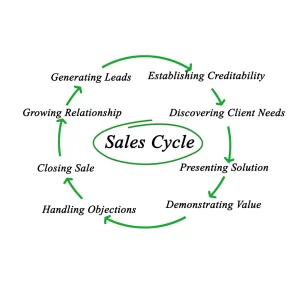
Much of a typical sales conversation is spent getting past the price question. When homeowners already know your pricing, that hurdle is gone before the first call.
Your estimators can focus on scope, options, and timing instead of sticker shock. Homeowners arrive with more customer confidence, which often leads to quicker decisions and a better conversion rate from estimate to booked job.
A Competitive Advantage in Local Search
Many home service contractors still avoid published pricing. That gives early adopters a clear way to stand out from competitors.
If your listing appears under the Online Estimates filter and theirs does not, you win that homeowner by default. If Google’s AI gets a price range from you and silence from them, your business lands on the comparison list. Transparency builds trust, and trust helps turn missed opportunities into booked jobs.
How to Show Prices Online Without Underselling Your Work
The biggest fear contractors share is that a published number will lock them into a price they cannot honor. That fear is fair, but it has a practical answer. Price transparency is about setting expectations, not making promises you cannot keep.
The goal is to give homeowners enough information to decide whether to contact you. You still control the final quote. A ballpark estimate on your website and a detailed cost estimate after an inspection can work together.
These strategies work for HVAC companies, roofing contractors, plumbers, electricians, pest control, landscaping, and remodeling contractors alike. Pick the ones that fit how you price today, then build from there as you learn what homeowners respond to.
Use Price Ranges and Starting At Pricing
Price ranges are the most flexible way to show prices online. A range such as “$8,500 to $14,000 for a typical asphalt roof replacement” sets expectations while leaving room for job-specific factors.
Starting at pricing works well for smaller, repeatable services. “Drain cleaning starting at $149” or “AC tune-ups from $99” tells homeowners the entry point. Base your numbers on real jobs you have completed, not guesses, and update them when material or labor costs change.
Explain What Drives the Final Cost
A number without context can look like a promise. A number with context looks like expertise. Next to each range, list the factors that move the price up or down.
For a water heater install, that might include tank size, fuel type, venting changes, and permit fees. For landscaping, it could be lot size, plant selection, and grading. This kind of clear pricing shows homeowners you understand their project and prepares them for the conversation that follows.
Add an Online Estimate Tool
An online quote tool or estimate calculator lets homeowners plug in basic details and get an instant estimate. Roofing contractors often use tools based on roof size, while HVAC companies may ask about home square footage and system type.
Instant quotes do not need to be final. Label them clearly as estimates and follow up with a quote request for an exact price. If you truly offer this, it also supports enabling the Online estimates attribute on your Google Business Profile.
Update Your Google Business Profile
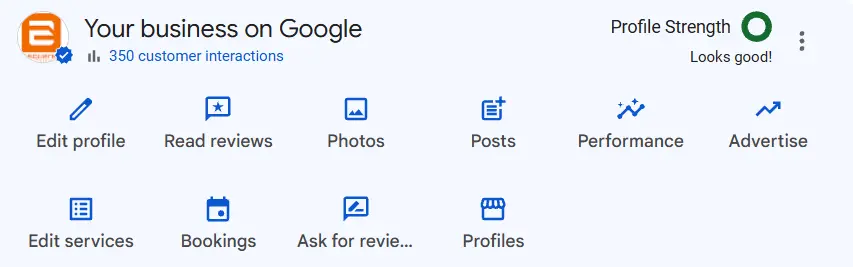
Your Google Business Profile is often the first place homeowners see your business. Review your attributes and turn on Online estimates if you offer them through a tool, a form, or by phone.
Use the Services section to list what you do, and add starting prices where the platform allows. Keep everything consistent with the pricing on your website. Mismatched numbers confuse homeowners and undercut the credibility you are working to build.
Add Service and Pricing Schema to Your Website
Schema markup for pricing is structured data that helps search engines read the services and prices on your pages. Service and pricing schema can label a price range or starting price so search engines and AI-powered search tools understand it.
This is a behind-the-scenes task your web developer or marketing partner can handle. The pricing itself still needs to appear in plain text on the page for homeowners to read.
Prepare Your Team for AI Pricing Calls
Google’s AI calling feature means some calls asking about price come from an AI agent gathering information for a real homeowner. Treat these calls as genuine demand.
Give your front office a short script with your price ranges or starting at prices for common services. A clear answer, such as “Most furnace replacements run between $5,000 and $9,000,” keeps you in the comparison. “We have to see it first,” usually takes you out.

Carry Price Transparency Into Your Content and Social Messaging
A price range on one service page is a strong start, but homeowners rarely meet your business in just one place. They read your blog, scroll your social posts, and see your Google Business Profile, often in no particular order. Every one of those touchpoints either reinforces your honest pricing or quietly contradicts it.
Price transparency signals are the cues that tell homeowners you are upfront about cost. They include mentioning typical price ranges, explaining what affects cost, and naming the factors that keep a job on budget. When these signals show up consistently, homeowners build customer confidence before they ever contact you.
Two channels matter most beyond your service pages: the content on your website and the messaging on your social media accounts.
Website Content Should Talk About Cost
Blog posts, project galleries, and service area pages are natural places for pricing information. If you run an HVAC company, a blog post on repairing versus replacing an aging furnace can include typical price ranges for both options
A project gallery can list the budget tier for each completed job.
Cost-focused content also matches how homeowners search. Many look up what a project costs long before they look for a contractor. Content that answers those cost questions helps you show up during that research and positions your business as the informed, honest choice. Keep every number consistent with your service pages so the message never conflicts.
Social Messaging Should Reinforce Honest Pricing
Social media often reaches homeowners early in the buyer journey, sometimes before they know they need a contractor. That makes it a good place to set expectations about price.
Share completed projects with their budget range. Post short tips on what drives the cost of common repairs. Answer pricing questions openly in comments instead of replying “Send us a message.” These posts show that transparency is how you do business, not a one-time website update. When a homeowner later finds your published pricing, it confirms what your social messaging already told them, and that consistency builds trust.
Frequently Asked Questions About Price Transparency

Even contractors who see the value of pricing transparency often have practical concerns. Some run custom jobs where no two projects look alike. Others worry about giving away their pricing strategy or attracting only bargain hunters. These are appropriate questions, and the answers depend on how your business operates.
The good news is that transparent pricing is not all or nothing. You can start with a few common services, test how homeowners respond, and expand from there. Many businesses find that the first step, such as adding starting prices to three or four core services, is enough to see a difference in the calls they receive. Small changes add up quickly.
Should Contractors Show Prices Online?
For most home service contractors, yes. Homeowners expect cost information, and Google increasingly favors businesses that provide it. Even a simple starting price or range keeps you visible to high-intent homeowners and AI-powered search tools. The exceptions are rare and usually limited to highly specialized, one-of-a-kind projects. Even then, sharing typical budget ranges from past projects is better than sharing nothing.
What If Every Job Is Different?
Most contractors feel this way, and it is usually true. But most jobs still fall within a predictable range. Use your past invoices to find the low, typical, and high end for common services. Publish that range with the main cost factors listed beside it. Homeowners understand that their final price depends on their home. They just want a starting point.
Should I Show Price Ranges or Exact Prices?
Price ranges work best for larger projects with many variables, like roofing, remodeling, and HVAC system replacements. Exact or flat prices work well for repeatable services like inspections, tune-ups, and pest control treatments. Many businesses use both. Flat rates for simple services build trust quickly, while ranges for bigger projects protect your margins and leave room for a detailed quote.
Will Competitors See My Prices?
Yes, and that is usually fine. Competitors can already learn your pricing by requesting a quote or asking your past customers. Keeping prices hidden mostly hides them from homeowners, not rivals. Your value comes from your workmanship, reviews, warranties, and service, not from a secret number. If a competitor undercuts you, homeowners still weigh trust and reputation before they hire.
How Do I Price Custom Home Service Jobs Online?
For custom work, share typical project budgets instead of fixed prices. A remodeling contractor might say most kitchen remodels fall into three tiers, with a range for each. Pair those tiers with photos of completed projects and the features each level includes. This gives homeowners a clear picture of what their budget buys and leads naturally to a quote request for their specific project.
Turn Price Transparency Into a Growth Advantage
Homeowners want honest pricing, and Google is building its search experience around that expectation. Businesses that share clear pricing stay visible, attract higher-quality leads, and book jobs faster. Businesses that stay silent risk being filtered out of search results before a homeowner ever sees their name.
A-Squared Marketing helps home service businesses build marketing on integrity, smart data, and real results. We start by listening to how you price and sell today. Then we build a plan that covers your website pricing, Google Business Profile, schema markup, and local SEO, with no hidden fees and no vanity metrics.
Claim Your Free Marketing Accelerator Session and find out where your pricing strategy is costing you leads right now.